


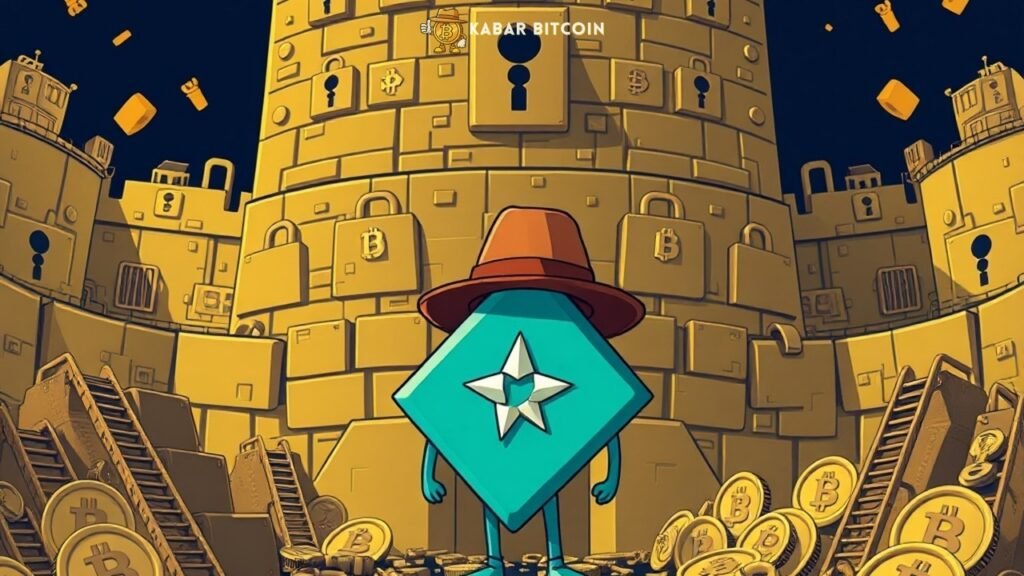

The Ethereum Foundation Protocol Cluster has established December 2029 as the deadline for the layer-1 (L1) network to achieve quantum resistance. The target is based on an aggressive planning scenario that projects the emergence of cryptographically relevant quantum computers before 2030, even though most expert estimates suggest the actual threat may materialize later than initially feared.
Quantum protection is no longer treated merely as a long-term research agenda; it has now been solidified as one of the primary shipping commitments for Ethereum’s Protocol Cluster.
Simultaneous Overhaul Across Three Network Layers
Meeting the 2029 target requires concurrent upgrades across the execution, consensus, and data availability layers. Heavy reliance on elliptic-curve signature schemes remains a primary vulnerability at the execution layer. Transitioning to the post-quantum era demands that future account architectures adapt so that authentication methods can be replaced directly without waiting for a new hard fork schedule.
The consensus layer poses an even more complex challenge: validator signatures and their aggregation mechanisms are deeply entrenched in the protocol’s base rules. This forces developers to design a dedicated hard fork specifically to replace the legacy framework. At the same time, the data availability layer must eliminate all remaining cryptographic dependencies that fail to meet post-quantum qualification standards.
Deadlines and Gaps at Layer-2
The 2029 timeline is treated as a non-negotiable milestone. This deadline will be maintained at least until January 2027, when independent external experts are scheduled to re-evaluate the state of quantum computing progress. Alongside quantum defenses, L1 protocol developers are also advancing Frame Transactions (Hegotá), execution proof systems, privacy features, and blueprints for new consensus designs.
One issue left unresolved by this core network overhaul is protection for the layers operating above it. L1 upgrades do not automatically secure layer-2 applications or the thousands of smart contracts deployed on them. Developers for each decentralized application will still need to architect their own defenses against future quantum threats. Reported by crypto.news.
Read also: How Crypto Staking Works and Its Associated Risks
Read also: Ethereum Blocks Split into 64 Pieces - EIP-8411 Simulation Proves Transfer Times Drop Below 1 Second
Disclaimer: This article is for informational and educational purposes only, not financial advice. Cryptocurrency assets are highly volatile and carry significant risk. Always do your own research (DYOR) and never invest more than you can afford to lose.