




The FBI arrested Zyaire Dontaevious Zamarion Wilkins, a 21-year-old from North Lauderdale, Florida, last Tuesday. He faces serious charges: being part of a syndicate that slipped crypto-stealing malware into video games, ultimately draining at least $220,000 from victims’ wallets.
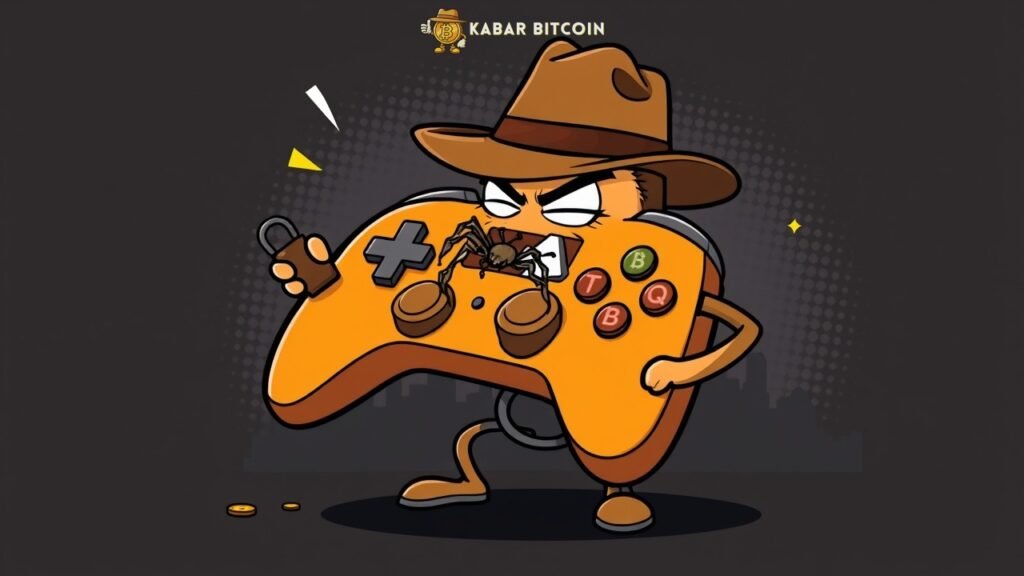
What makes this case particularly alarming is not just the financial loss, but where the malware hid - inside seemingly innocent free-to-play games downloaded by thousands of users.
Eight Games, 8,000 Devices, 80 Wallets Drained
Between May 2024 and February 2026, Wilkins and his associates released eight malware-laden games. In total, approximately 8,000 devices were infected, around 80 crypto wallets were compromised, and at least $220,000 vanished. Several titles named in the indictment - PirateFi, BlockBlasters, Dashverse, and Lunara - had already been flagged by the FBI Seattle office in a malware investigation earlier this year.
The operation was methodical. The group promoted the games across Discord, Telegram, X, and LinkedIn, deploying bots to target users known to hold substantial crypto assets. Once prospective victims were persuaded to download and install the games, the malware executed its payload: harvesting personal data and login credentials to unlock access to victims’ crypto accounts. Investigators even uncovered discussions detailing “draining” campaigns - tricking victims into approving transactions that immediately emptied their wallets. PirateFi, masquerading as a free survival game, managed to attract 7,000 players before it was pulled from circulation.
Tracked Down Through Hundreds of Uber Eats Cards
The most compelling detail is how federal agents closed in on the suspect. Agents traced Bitcoin trails from the scheme’s wallets to the Bitrefill platform, where stolen funds were spent on more than 150 gift cards - predominantly for Uber Eats. A subpoena issued to Uber subsequently linked those cards to accounts with delivery addresses tied to Wilkins’ residence and his campus housing at the University of West Florida.
Investigators also linked Wilkins to the alias “Sibel.eth”, used to coordinate via Signal with an unidentified “lead developer.” He reportedly purchased a remote access trojan for $10,000. When searched, Wilkins invoked his right to remain silent; authorities seized his devices and three wallet seed phrases - including one for Monero, a privacy coin agents noted is frequently favored by criminals due to its untraceable nature. His crypto transaction history showed roughly $382,000 in inbound and outbound flow. He has now been charged with conspiracy to obtain information by computer for commercial advantage and private financial gain, facing up to 10 years in prison.
Why This Matters for Crypto Gamers
This arrest marks the first from an investigation announced by the FBI last March, when the bureau urged victims of malicious games to come forward. One of the victims was a streamer conducting a live cancer charity fundraiser - over $32,000 was drained mid-broadcast, part of roughly $150,000 stolen through a single game alone. The takeaway is clear: the word “free” in the crypto space can carry a steep price tag, and seemingly harmless games can serve as open doorways for attackers to drain your wallet.
Reported by Decrypt.
Disclaimer: This article is for informational and educational purposes only, not financial advice. Cryptocurrency assets are highly volatile and carry significant risk. Always do your own research (DYOR) and never invest more than you can afford to lose.