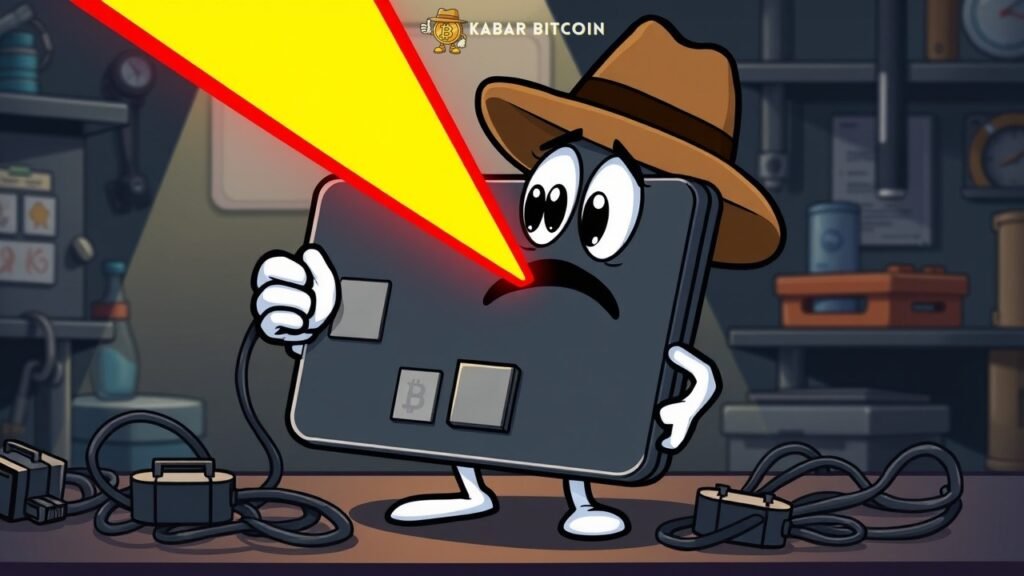






The MiCA regulation deadline on July 1, 2026, has forced more than 1,700 crypto companies in Europe to halt their operations. Confused customers looking for alternative platforms are now facing a new wave of threats: scammers posing as official regulatory bodies.
As of the end of July 2026, the European Securities and Markets Authority (ESMA) recorded only 323 crypto companies on their official register. As a result, customers of unlicensed exchanges must rush to migrate their asset portfolios to new service providers. This panic-driven migration period is being heavily exploited by bad actors.
Total losses from crypto scams surpassed $17 billion last year, according to Chainalysis data, up sharply from $6 billion five years prior. Among all emerging methods, impersonation tactics are the fastest-growing category of scams.
Fake Regulators Armed with Official Documents
The French financial markets regulator, AMF (Autorité des Marchés Financiers), has noted cases where scammers posed as AMF staff. The perpetrators used this fake authority to direct customers of unlicensed exchanges to phishing websites in order to steal their assets.
ESMA has also acknowledged fraudulent practices abusing their organization’s identity and logo. The scammers equipped themselves with fake documents to convince and defraud victims who were transferring funds.
The Dutch financial markets regulator, AFM (Autoriteit Financiële Markten), responded by issuing a firm warning to traders. They urged crypto holders to always verify fund transfer instructions and ensure that the process runs only through the official websites or applications of the respective service providers.
Avoiding Artificial Urgency and the Fate of the Largest Exchange
France’s AMF deliberately chose not to set an aggressive wind-down deadline for unlicensed companies in its jurisdiction. The regulator realized that artificial urgency would only pressure customers into taking hasty steps and drive them into scam traps.
At the industry level, Binance remains the largest crypto company that has not yet secured a MiCA operating license. The impact of this regulatory sweep has been visible since last June, when the exchange was forced to withdraw its application from the Greek market.
As reported by Decrypt.
Disclaimer: This article is for informational and educational purposes only, not financial advice. Cryptocurrency assets are highly volatile and carry significant risk. Always do your own research (DYOR) and never invest more than you can afford to lose.