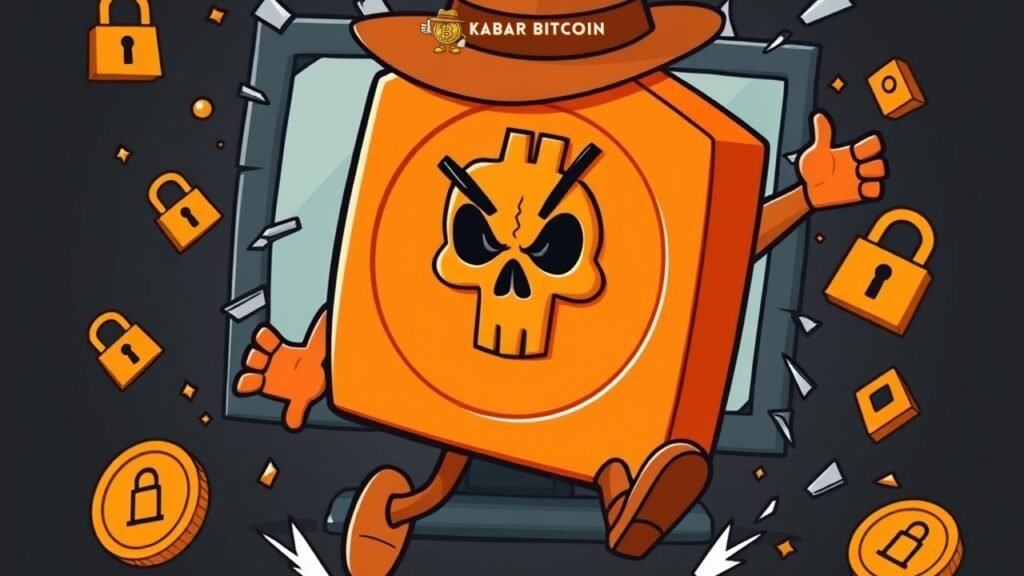





Digital game distribution platform Steam, accessed by millions of users daily, has now become a hunting ground for cybercriminals. The US Federal Bureau of Investigation (FBI) recently took decisive action by arresting a man on serious charges: orchestrating crypto asset theft through an unusual method. Citing a TechCrunch report trending on Google News on July 17, 2026, the perpetrator concealed digital wallet-draining malware inside Steam game installation files.
News of the arrest quickly sparked widespread discussion across social media. A post by the @WatcherGuru account on X highlighting developments in the case garnered 8,181 likes and 962 retweets in just a few hours. The high level of engagement reflects widespread concern among netizens. Steam is no ordinary platform, but the largest digital game storefront with a massive player base, including an active gaming community in Indonesia.
How This Attack Method Works
Unlike conventional web phishing attacks, the modus operandi uncovered by the FBI exploited gamers’ trust in an official platform they regularly use. Once the compromised game was downloaded and installed, the malicious software immediately launched in the background. The malware was engineered to operate silently from the very first second without triggering security alerts that might raise suspicion from computer owners.
The malicious program had a specific core mission: steal sensitive data and completely drain crypto wallets. The software penetrated deep into the operating system to harvest passwords and all secret user credentials. Once this critical data fell into the hacker’s hands, digital assets stored in crypto wallets were immediately transferred to unknown addresses. Because the draining left little trace, victims only realized what happened after seeing their digital portfolios completely empty.
A New Threat Vector for Retail Users
The uncovering of this case signals a tactical shift in the digital asset cybercrime landscape. The crypto community previously encountered hacks primarily through social engineering or fraudulent links, such as OkoBot malware traps or ClickFix incidents. However, embedding asset-stealing code directly into Steam games opens a new attack vector, directly targeting retail users through their daily entertainment on personal screens.
Given the large population of Steam players in Indonesia, this vulnerability is highly relevant to local users. For crypto holders who also enjoy PC gaming, this FBI arrest operation serves as a clear reminder: robust security layers on crypto exchanges will not protect balances if personal computers are compromised from the inside due to careless application installations.
Reported by @WatcherGuru on X.
Disclaimer: This article is for informational and educational purposes only, not financial advice. Cryptocurrency assets are highly volatile and carry significant risk. Always do your own research (DYOR) and never invest more than you can afford to lose.