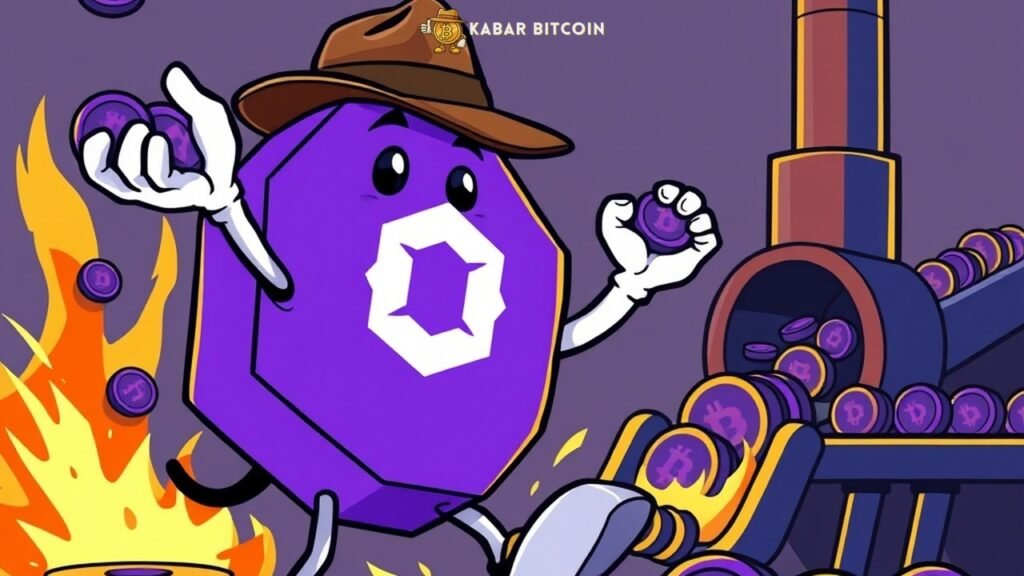

Polygon permanently destroyed 100 million POL tokens roughly two weeks prior to October 11, 2026. The burn was funded by accumulated network transaction fees rather than the Polygon Foundation treasury. That figure represents approximately 1% of the initial 10 billion token supply. In the market, this supply reduction has yet to lift prices: POL traded around $0.103 as of October 12, 2026, sliding from the $0.12 level in late September.
Token burns typically fuel expectations of a price rally. However, beneath the seemingly large headline burn figure, Polygon’s rate of new emissions is outpacing the destroyed tokens.
Why Net Supply Is Still Growing
Over the 30 days leading up to October 11, POLTRACK data shows protocol emissions reached 17.45 million POL. Over the same period, base network fees collected for burning amounted to just 13.23 million POL. This means the net POL supply balance in the market actually expanded by around 4.22 million tokens over the course of a month.
Polygon’s original tokenomics design explains this supply surplus. The protocol dictates an annual emission rate of 2% from the initial 10 billion token supply, split equally between validator rewards and the community treasury. Under this rule, the network injects roughly 200 million new POL into the market each year. Consequently, burning 100 million POL from network fees offsets only half of the new supply minted annually.
$1 Billion in Volume, but Next Burn Date Remains Up in the Air
On the network usage front, Polygon Open Money Stack (OMS) processed annualized volume exceeding $1 billion for two consecutive weeks. Polygon also integrated the TRON network into OMS to broaden USDT stablecoin liquidity. Yet this transaction volume growth has not generated base fees large enough to offset emissions from consensus.
Polygon co-founder Sandeep Nailwal announced that an additional 22 million tokens - roughly 0.2% of the initial supply - are already queued for the next burn. However, Nailwal did not specify an execution date for burning those 22 million POL, leaving the market uncertain about when the additional supply will actually be destroyed.
The Real Math for Token Holders
The destruction of 100 million tokens must be viewed within the context of ongoing emissions, rather than as a net supply reduction. While the transaction fee-based burn mechanism is actively functioning, it has not yet managed to shift the token balance into deflationary territory.
For POL holders, news of multi-million token burns loses its punch when the market is still flooded with 200 million tokens in annual emissions. Without a surge in network fees capable of outpacing that annual inflation, circulating supply will continue to expand and weigh on price performance.
Sourced from crypto.news.
Also read: How to Read Candlestick Charts for Beginners
Disclaimer: This article is for informational and educational purposes only, not financial advice. Cryptocurrency assets are highly volatile and carry significant risk. Always do your own research (DYOR) and never invest more than you can afford to lose.