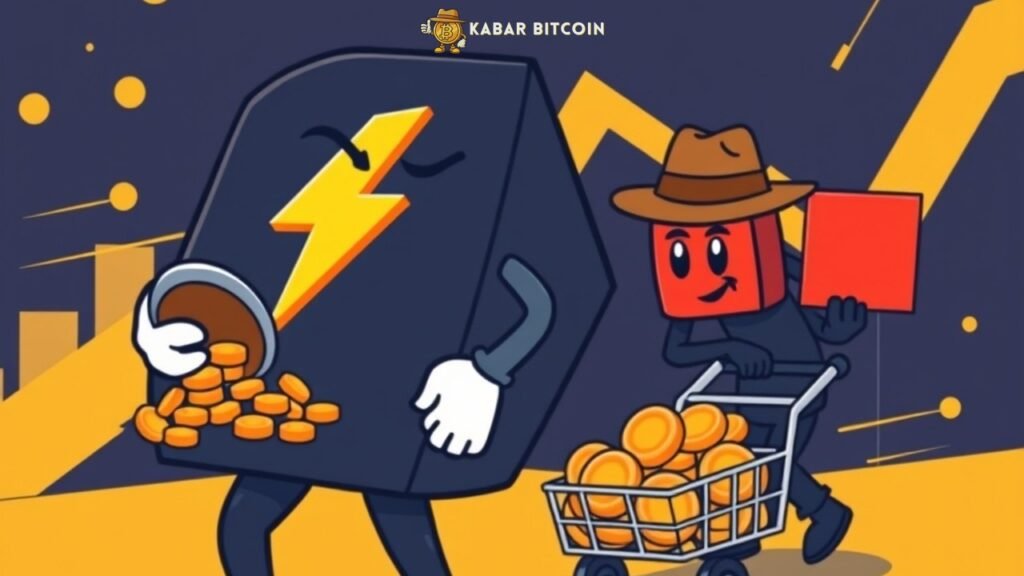





BIP-110 officially entered the mandatory signaling phase at block 961,632 on Saturday at around 19:35 UTC. Support has shrunk: only 51 of the previous 2,016 blocks (2.53%) signaled support, far below the 55% threshold for early activation.
The proposal, named Reduced Data Temporary Softfork, is designed to limit the size of data entering the network. The rule, which will be in effect for about one year, will restrict new output scripts to a maximum of 34 bytes, OP_RETURN to 83 bytes, and limit various Taproot elements. The goal is one: to prevent inscriptions and non-monetary data from burdening node operators.
This step mimics the User Activated Soft Fork (UASF) approach during the 2017 SegWit era, relying on the will of node operators rather than miners. Some nodes enforcing BIP-110 have already begun rejecting blocks without the signal. As a result, a BIP-110 minority branch briefly emerged but was immediately left far behind the dominant chain. Michael Saylor of MicroStrategy and Blockstream CEO Adam Back strongly oppose this proposal because it carries the risk of a network split (chain split) and censorship.
The Real Threat Behind New Coins
This signaling window will run until block 963,647, or about four weeks from now. If the schedule holds, lock-in will occur at block 963,648, and the new transaction rules will become active at block 965,664 in early September. However, if miners continue to reject it, developer Chris Guida has already prepared fallback proof-of-work change code from Luke Dashjr in anticipation.
The biggest risk is not the developer debate, but rather users’ wallets. If a chain split actually occurs, holders of 10 BTC before the fork will possess 10 coins on each chain. Developer Kevin Loaec issued a stern warning: selling coins from the BIP-110 fork before performing a coin splitting process could result in a replay attack.
A single transaction can be considered valid on both chains simultaneously. Buyers of the BIP-110 coins could broadcast the same transaction to the mainnet and also take the original BTC from the seller’s wallet. Large asset holders are the primary targets of this attack because the return value is worth the hacker’s effort.
Safe Steps for BTC Holders
Until this storm blows over, the safest solution is to do nothing. Do not move or transact coins until there is clear technical guidance from crypto wallet providers, exchanges, and the mining community. If you must transact, make sure to separate the coins on both chains independently first.
Beyond technical issues, the legal implications also remain up in the air. Questions regarding taxes and asset recording in the United States will become a new issue if coins from this minority chain turn out to have real market value.
Reported from Cointelegraph.
Also read: What Is Bitcoin Halving?
Disclaimer: This article is for informational and educational purposes only, not financial advice. Cryptocurrency assets are highly volatile and carry significant risk. Always do your own research (DYOR) and never invest more than you can afford to lose.