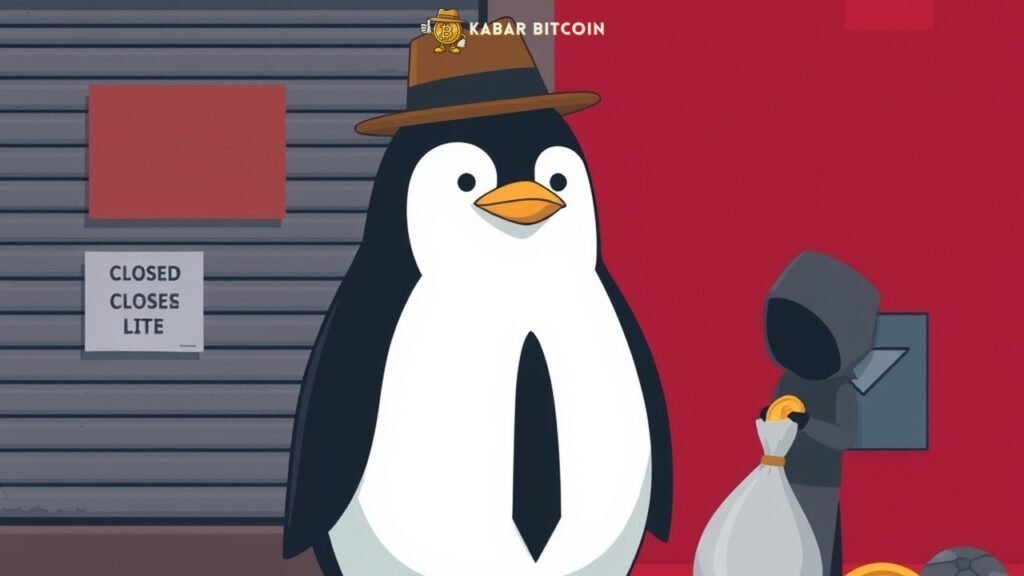




A total of 67 investors suffered losses totaling $10 million after purchasing NFT tokens that were launched with no market value. The founder of the NFT startup “Few and Far” has now been officially charged by the United States government over alleged fraud, a move that immediately drags the project into the federal criminal arena.
This criminal indictment was confirmed directly by a report from the Organized Crime and Corruption Reporting Project (OCCRP) on August 10, 2026. A day before the confirmation emerged, Google News search trends were already heating up due to a report from the news platform Cryptonews.net on August 9. The report highlighted how dozens of investors handed over $10 million in cash for valueless NFT tokens. The case reveals a calculated criminal pattern: developers selling tokens with promises of high future value, then intentionally launching them without building utility or creating real market liquidity.
Not Just a Typical Rug Pull
The crypto world is already familiar with the term rug pull - the moment when project creators quietly withdraw funds from decentralized markets and disappear without a trace. However, what happened to “Few and Far” took a different form. The case triggered US federal criminal charges due to proof of intent, as the seller targeted dozens of victims to invest capital in assets that were designed from day one to be useless and valueless.
This decisive action by the US government highlights an increasingly aggressive prosecution trend against digital asset fraud. Amid a market environment where more than 100 crypto projects were recorded as collapsing and folding throughout 2026, federal legal authorities are beginning to draw a line between projects that failed due to market conditions and those designed from the outset to defraud buyers.
A Costly Warning for Early Capital
The fraudulent pattern employed by the founder of “Few and Far” exploited a key vulnerability in crypto funding: the expectations of early buyers. These 67 investors were willing to commit significant funds because they believed in the promises of the offered ecosystem. When the project released tokens that lacked any real functionality and had no secondary buyer market, the $10 million investment was instantly reduced to zero.
For anyone who regularly hunts for initial token allocations or purchases pre-launch NFTs, this federal court indictment serves as a warning sign. If a project collects upfront funds based solely on promises without any built-in utility, you might not be investing in new technology, but simply waiting for your turn to become another fraud statistic. Reported by Peoples Gazette Nigeria.
Also read: What Is an NFT and How Does It Work?
Disclaimer: This article is for informational and educational purposes only, not financial advice. Cryptocurrency assets are highly volatile and carry significant risk. Always do your own research (DYOR) and never invest more than you can afford to lose.